The rinse-fill-cap monobloc machine is an integrated 3-in-1 bottling system that combines rinsing, filling, and capping into a single compact unit. It is widely used in water bottling plants, juice production, and beverage lines where efficiency, hygiene, and reduced footprint are essential.
By combining three critical processes into one system, this machine reduces manual handling, improves hygiene control, and streamlines production flow.
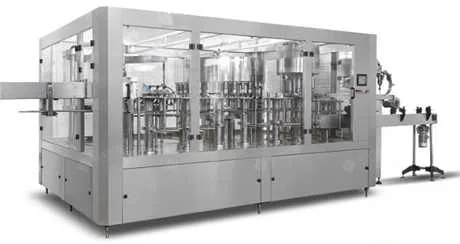
The machine operates through three continuous stages:
Empty bottles are automatically rinsed to remove dust and contaminants before filling.
Clean bottles are transferred to the filling station where product is dispensed using the selected filling technology (gravity, volumetric, or pressure-based depending on application).
Filled bottles move directly to the capping unit where caps are placed and securely sealed to ensure product integrity.
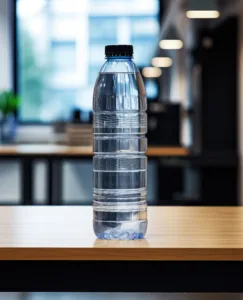
This rinse-fill-cap monobloc is ideal for:
Combines three machines into one continuous process, reducing downtime and manual transfer.
Ideal for factories with limited floor space.
Minimised human contact reduces contamination risk.
Continuous operation increases line stability and output consistency.
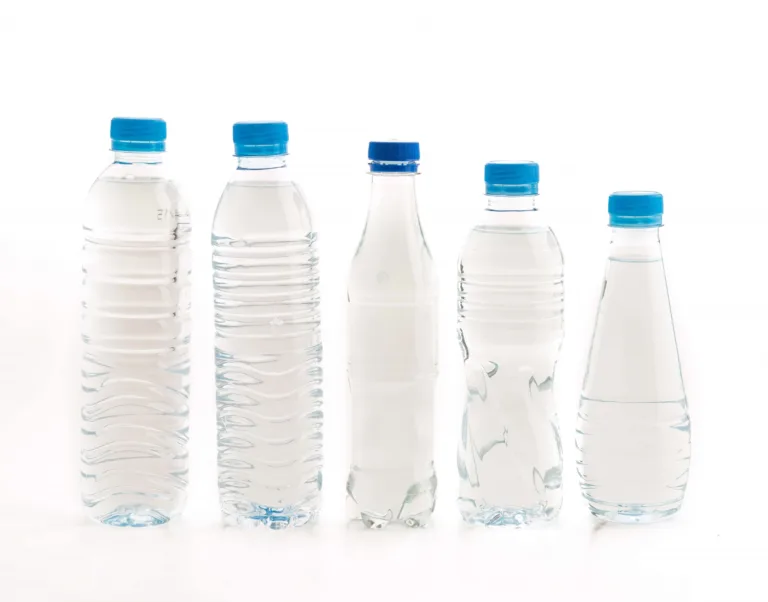
Adaptable for different bottle sizes and liquid types.
The rinse-fill-cap monobloc is designed with quick changeover capability, allowing operators to switch between:
This reduces production downtime and improves overall line efficiency, especially in multi-product facilities.
Traditional bottling lines require separate machines for rinsing, filling, and capping. A monobloc system integrates all three, reducing:
This makes it one of the most efficient solutions for modern beverage production.
Every production line has different requirements. We can configure the rinse-fill-cap monobloc machine based on:
Contact us to design a tailored solution for your bottling line.
A rinse-fill-cap machine is a 3-in-1 bottling system that rinses bottles, fills them with liquid, and applies caps in a single integrated unit.
It is commonly used for water, juices, flavoured drinks, and other non-carbonated or lightly carbonated beverages depending on configuration.
A monobloc system combines multiple bottling processes (rinsing, filling, and capping) into one compact machine to improve efficiency and reduce space usage.
Yes, the system can be adjusted for different bottle formats with a quick changeover process.
Yes, monobloc systems are ideal for small to medium production facilities due to their compact design and efficiency.
It reduces manual handling, eliminates transfer delays between machines, and ensures a continuous automated flow.