
Key Takeaways
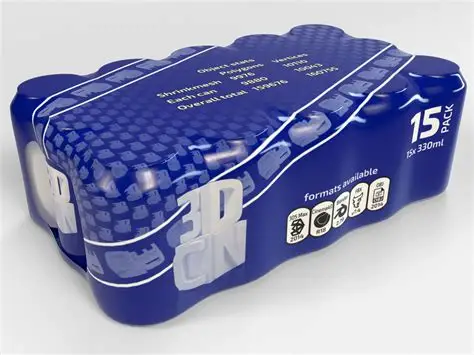
Beverage cans are shrink wrapped by grouping them into multipacks of 4, 6, 12 or 24, wrapping the group in shrink film on a sleeve sealer, and passing it through a shrink tunnel that pulls the film tight into a stable bundle. Heavy 24-can packs usually sit on a cardboard tray and run in polyethylene film, while smaller retail packs can use clear polyolefin. On a canning line the sleeve sealer runs fully automatic at the end of the line; smaller producers load packs by hand on a semi-automatic machine. Shrink wrap for beverage cans uses less material than cartons and keeps every can’s branding visible. See the sleeve sealer and shrink tunnel.
The machine used to shrink wrap beverage can multipacks, in semi-automatic and fully automatic versions.
Beverage cans are shrink wrapped on a sleeve sealer and shrink tunnel. The sleeve sealer wraps a band of film around a group of cans and seals it, leaving the ends open, and the tunnel shrinks the film so the cans lock together. On a canning line the machine runs fully automatic at the end of the line, taking packs straight from the conveyor; craft brewers and smaller producers use a semi-automatic sleeve sealer loaded by hand. Small promotional packs of a few cans can also run on an L-bar sealer, covered in how jars and small can multipacks are shrink wrapped.
Beverage cans are most often shrink wrapped in 4, 6, 12 and 24-can multipacks, and in custom counts for promotions. Four and six-packs usually run without a base, while 12 and 24-can packs are commonly wrapped on a cardboard tray or pad that gives the bundle a flat, stackable base. Tightly wrapped packs stack squarely on the pallet and stay together through transport and storage, which reduces damaged and loose cans.
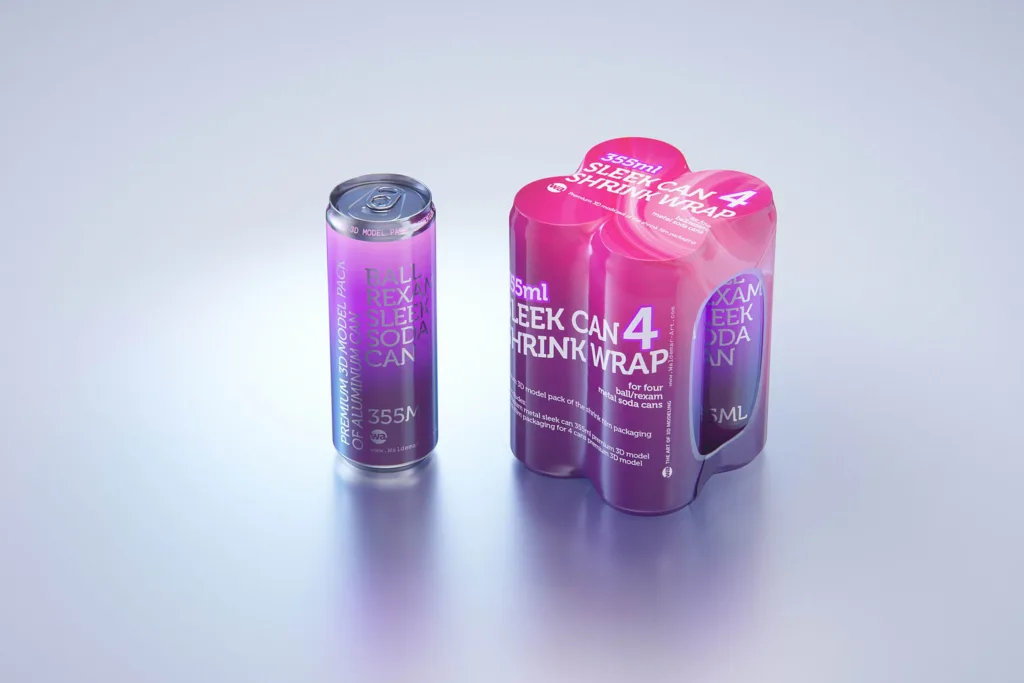
Polyethylene (LDPE) is the usual film for beverage can multipacks, because it is strong enough for heavy packs such as 24-can trays. Polyolefin is clearer and more flexible, and suits smaller retail packs where presentation matters. PVC is an economical option for small multipacks but tears more easily, so it is not used on high-speed lines. The film thickness is chosen for the weight of the pack.
Yes. Clear film keeps each can’s own design visible, and printed shrink film can carry branding, a promotion or pack information across the whole multipack, which lets a brand run a promotional pack without printing new cans. Promotional packs are covered in how multipacks and promotional packs are shrink wrapped, and bottled drinks in how bottles are shrink wrapped.
Shrink wrapping beverage cans comes down to the sleeve sealer and tunnel, fully automatic at the end of a canning line or semi-automatic for smaller producers, with film matched to the pack weight. Send us your can size, cans per pack, whether packs sit on a tray, and the output you need, and we will specify the machine. The shrink wrap machine cost guide explains what moves the figure, and shrink wrap vs cartons for transport compares the two for shipping.
Usually, yes. A cardboard tray or pad gives a heavy 24-can pack a flat base, so it holds its shape and stacks squarely. Smaller 4 and 6-packs are often wrapped without one.
Yes, within the machine’s pack size range. The film width and settings are changed with the pack, and a semi-automatic sleeve sealer is the usual choice where pack sizes change often.
Usually. Shrink film uses less material than a carton, adds little weight and keeps the cans visible, though cartons still suit products that need rigid protection. See shrink wrap vs cartons for transport.
Send us your can size, pack count and output, and we will specify the shrink wrap machine that suits it, with installation by our own technicians, a one-year warranty, CE marking on request and spares held in Johannesburg. You can also send sample packs and we will trial-wrap them at our Johannesburg showroom before you buy.